
Prioridad del Árbol de Habilidades en Be The Final Boss: Guía de Solución de Fallos
Optimiza tu prioridad del árbol de habilidades en Be The Final Boss con una estrategia de solución de fallos para capacidad, daño y economía para…
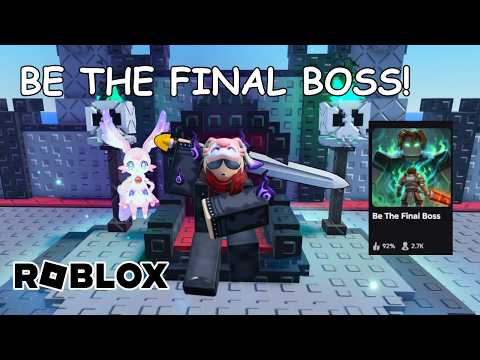 Contenido oficialOptimiza tu prioridad del árbol de habilidades en Be The Final Boss con una estrategia de solución de fallos para capacidad, daño y economía para…YouTube
 Determinar la prioridad del árbol de habilidades en be the final boss ideal requiere un enfoque de "solución de fallos" en lugar de un camino lineal y rígido. En vez de completar una rama a la vez, los jugadores deben identificar por qué falla su defensa actual e invertir en el nodo específico que resuelva ese cuello de botella. La jerarquía general comienza con la Capacidad y el Daño de Unidad para establecer una defensa funcional, seguidos por el Ataque y la Salud del jugador para la limpieza, y finalmente Coins y Summon Luck para la eficiencia a largo plazo. Al observar cómo interactúan los héroes con tus esbirros y el castillo, puedes cambiar tus mejoras para satisfacer las necesidades inmediatas de la oleada actual. Esto asegura que no se desperdicie ninguna moneda en estadísticas que no contribuyan a tu supervivencia inmediata.
La Lista de Verificación de Prioridades de Solución de Fallos
La forma más efectiva de navegar por el árbol de habilidades en Be The Final Boss es tratar cada derrota como una herramienta de diagnóstico. Antes de gastar Coins en cualquier nodo, debes observar el momento exacto en que tu defensa se desmorona. Si tus unidades más fuertes se quedan en tu inventario porque te falta espacio para desplegarlas, ninguna cantidad de Daño de Unidad salvará la partida. Por el contrario, si tu tablero está lleno pero los héroes caminan a través de tus esbirros, la Capacidad ya no es la prioridad.
Para usar el método de solución de fallos, hazte las siguientes preguntas en orden durante una oleada. Detente en el primer "Sí" e invierte en esa rama correspondiente del árbol de habilidades.
| Nivel de Prioridad | Pregunta a Realizar | Enfoque de Habilidad Recomendado |
|---|---|---|
| 1 | ¿Mi mejor formación actual no cabe en el tablero? | Capacidad |
| 2 | ¿Mis unidades sobreviven a los golpes pero no matan rápido? | Daño de Unidad |
| 3 | ¿Se filtran algunos héroes más allá de mis esbirros hacia el jefe? | Ataque del Jugador / Daño de Arma |
| 4 | ¿El jefe muere mientras limpio con éxito las filtraciones? | Salud del Jugador |
| 5 | ¿La partida es estable y repetible sin esfuerzo manual? | Coins / Soul Drops / Summon Luck |
Esta lista de verificación asegura que siempre estés abordando la amenaza más crítica para tu progresión. Invertir en habilidades de economía como Summon Luck o multiplicadores de Coins solo es beneficioso cuando tu defensa es lo suficientemente estable como para sobrevivir el tiempo necesario para que esas inversiones den sus frutos.
Optimizando la Capacidad de Unidades y la Producción de Daño
En el juego temprano y medio, tus esbirros son la línea principal de defensa. La relación entre la Capacidad y el Daño de Unidad es la dinámica más importante en el árbol de habilidades. La Capacidad te permite colocar más unidades o unidades de mayor nivel que requieren más espacio, mientras que el Daño de Unidad asegura que esas unidades sean realmente efectivas para mermar las oleadas de héroes.
Si notas que tus unidades se ven abrumadas por la superioridad numérica, revisa tus niveles de unidad actuales y mutaciones. Si has invocado recientemente a un nuevo esbirro poderoso pero no puedes encajarlo en tu formación, la Capacidad se convierte en tu prioridad absoluta. Debes consultar la interfaz del juego para ver el costo específico del siguiente nodo de Capacidad y compararlo con la ganancia de daño potencial de tu nueva unidad.
Cuando tu formación esté totalmente desplegada y los héroes sigan llegando al castillo con una salud significativa, el Daño de Unidad debe tener precedencia. Este nodo escala la efectividad de cada esbirro que hayas colocado. A menudo es más rentable mejorar el Daño de Unidad en un tablero lleno de unidades que comprar un espacio más de Capacidad para una sola unidad nueva.
| Síntoma de Fallo | Observación en el Juego | Solución del Árbol de Habilidades |
|---|---|---|
| Subutilización | Las unidades de alto nivel permanecen en el inventario. | Aumentar Capacidad inmediatamente. |
| Tiempo para Matar (TTK) | Los héroes reciben demasiados golpes antes de caer. | Aumentar Daño de Unidad. |
| Huecos en la Formación | Las unidades están muy dispersas para cubrir el camino. | Aumentar Capacidad. |
| Bajo Impacto | Las unidades golpean seguido pero la salud baja lento. | Aumentar Daño de Unidad. |
Fortaleciendo al Jefe Final para la Limpieza
El personaje del jugador actúa como el "Jefe Final" del castillo. Aunque tus esbirros deberían encargarse de la mayor parte de las oleadas de héroes, algunas filtraciones son inevitables, especialmente durante las oleadas de jefes o las rondas infinitas de alto escalado. El árbol de habilidades proporciona nodos de Ataque del Jugador y Salud del Jugador para gestionar estas situaciones.
El Ataque del Jugador (y por extensión, el daño de tus armas desbloqueadas) es una estadística de "limpieza". Si solo unos pocos héroes se filtran a través de tu línea de esbirros, aumentar tu propio daño suele ser más barato que intentar exprimir más poder de tus unidades. Esto te permite intervenir manualmente y salvar una partida que de otro modo fallaría.
La Salud del Jugador se convierte en una prioridad solo cuando el jefe muere durante estas fases de limpieza. Si estás atacando activamente las filtraciones pero sigues perdiendo la ronda porque los héroes te infligen más daño del que puedes soportar, debes invertir en Salud. Sin embargo, si mueres porque docenas de héroes te alcanzan a la vez, el problema es probablemente tu Daño de Unidad o Capacidad, no tu Salud. La Salud está destinada a amortiguar pequeños errores, no a compensar una defensa de esbirros que no funciona.
Cuándo Pivotar hacia Estadísticas del Jefe:
- Intervención Manual: Si disfrutas de un estilo de juego activo donde asistes a tus esbirros, el Ataque del Jugador tiene un valor mayor.
- Sinergia de Armas: Si has desbloqueado recientemente un arma de alto nivel, su efectividad suele estar ligada a tus estadísticas base de Ataque en el árbol de habilidades.
- Estabilidad de Última Instancia: Si pierdes constantemente con el héroe final al 5% de salud, un pequeño aumento en el Ataque del Jugador puede cerrar la brecha hacia la siguiente oleada.
Mejoras de Economía para la Progresión a Largo Plazo
Una vez que tu defensa sea estable y puedas limpiar oleadas sin intervención manual constante, es hora de invertir en la rama de economía del árbol de habilidades. Esto incluye nodos para Coins, Soul Drops y Summon Luck. Estas habilidades no proporcionan poder de combate inmediato, pero aceleran tu capacidad para comprar todas las demás mejoras.
Las mejoras de Coins deben priorizarse cuando te encuentres "farmeando" un conjunto específico de oleadas repetidamente. Si puedes limpiar la oleada 20 de manera consistente pero no puedes vencer la 21, invertir en bonos de Coins te permitirá alcanzar el siguiente nodo de Daño de Unidad o Capacidad más rápido. Este periodo de "recuperación" es esencial de calcular; si una mejora de Coins cuesta más de lo que ganarás en diez partidas, puede ser mejor ahorrar para una estadística de combate que te impulse a una oleada de mayor recompensa.
Soul Drops y Summon Luck son específicos para la fase de invocación del juego. Las Souls son la moneda utilizada en el Altar de Invocación para obtener nuevas unidades. Summon Luck aumenta la calidad de las unidades que recibes. Estas solo deben mejorarse cuando tengas un excedente de Souls o estés planeando una sesión de invocación importante. Comprar Summon Luck cuando tienes cero Souls es una inversión desperdiciada que podría haber ido a Daño de Unidad.
| Habilidad de Economía | Mejor Momento para Mejorar | Resultado Esperado |
|---|---|---|
| Coins | Cuando un punto de control es estable. | Acumulación más rápida de moneda del Árbol. |
| Soul Drops | Cuando necesitas mejores unidades. | Oportunidades de invocación más frecuentes. |
| Summon Luck | Antes de gastar un gran presupuesto de Souls. | Mayor probabilidad de esbirros raros/poderosos. |
Ajustando Prioridades Tras Desbloqueos Importantes
La prioridad del árbol de habilidades en be the final boss no es estática. Un solo desbloqueo significativo puede cambiar completamente la rama en la que deberías enfocarte a continuación. Esto ocurre más comúnmente cuando obtienes una nueva mutación de unidad o desbloqueas un arma significativamente más fuerte.
Las mutaciones pueden cambiar drásticamente el nivel de poder de una unidad específica. Si una mutación hace que una unidad sea el doble de poderosa pero también aumenta su costo de despliegue, podrías encontrarte de repente en un "déficit de Capacidad". En este escenario, incluso si planeabas mejorar tu economía, debes volver a la Capacidad para hacer uso de tu nueva mutación.
Del mismo modo, las unidades de la Update 1 o las nuevas armas podrían introducir diferentes mecánicas de escalado. Siempre revisa la interfaz del juego después de una actualización para ver si los costos o porcentajes de tus nodos actuales han cambiado. Si una nueva actualización encarece el Daño de Unidad pero duplica la efectividad del Ataque del Jugador, tu prioridad debería desplazarse hacia la limpieza centrada en el jefe hasta que tus ingresos de Coins se nivelen.
Identificando un Cambio de Prioridad:
- Revisa el Inventario de Unidades: ¿Tienes una nueva "Mejor" unidad que no está en el tablero? Si es así, la Capacidad es ahora el #1.
- Monitorea la Oleada: ¿Los héroes mueren antes de llegar a la mitad del camino? Si es así, mueve todas las inversiones a Coins y Souls.
- Evalúa las Armas: ¿Desbloqueaste un arma que escala con una estadística específica? Alinea tu árbol de habilidades con las fortalezas de esa arma.
- Revisa las Mutaciones: ¿Una mutación ha reducido la necesidad de cantidad de unidades? Es posible que puedas ignorar la Capacidad por un tiempo y centrarte puramente en el Daño de Unidad.
Preguntas Frecuentes
¿Cuál es la prioridad predeterminada más segura?
El enfoque más seguro es hacer que tu formación activa sea funcional primero equilibrando la Capacidad y el Daño de Unidad. Una vez que tus esbirros puedan mantener la línea, mejora la limpieza de tu jefe a través del Ataque del Jugador. Solo después de que la partida sea estable deberías invertir en habilidades de economía a largo plazo como Coins y Summon Luck.
¿Cuándo deberían las mejoras de Coins subir en la prioridad?
Las mejoras de Coins deben pasar al frente de la lista de prioridades cuando hayas alcanzado un "muro" que no puedes superar con las estadísticas de combate actuales, pero puedes limpiar fácilmente las oleadas anteriores. Invertir en economía temprano en una sesión de farmeo asegura que cada partida repetida proporcione el máximo valor para tu próxima gran mejora de combate.
¿Puede una nueva mutación cambiar la prioridad del árbol de habilidades?
Sí. Una nueva mutación poderosa puede crear una necesidad inmediata de más Capacidad si la unidad se vuelve esencial para tu estrategia. Alternativamente, si una mutación aumenta significativamente el daño de una unidad, puede permitirte dejar de mejorar el Daño de Unidad temporalmente y concentrarte en Soul Drops o Summon Luck para encontrar unidades aún mejores.
¿Debo maximizar una rama antes de comenzar otra?
No. Completar una rama mientras ignoras las demás a menudo conduce a cuellos de botella. Por ejemplo, tener el Daño de Unidad al máximo es inútil si tu Capacidad es tan baja que solo puedes colocar un esbirro en el tablero. Usa siempre la lista de verificación de solución de fallos para asegurar que tu árbol de habilidades se mantenga equilibrado y aborde tus motivos actuales de derrota.
Guías relacionadas
Guía de farmeo de puntos de habilidad de Be The Final Boss
Aprende a optimizar el farmeo de puntos de habilidad en Be The Final Boss seleccionando puntos de control estables, posicionando unidades al frente y…
Guía de mejoras del jugador de Be The Final Boss: salud y ataque
Domina las mejoras del jugador en Be The Final Boss. Aprende cuándo priorizar el Ataque, la Salud y las Armas para gestionar las filtraciones de héroes y…
Guía del Árbol de Habilidades de Be The Final Boss: Rutas de Construcción y Prioridad de Nodos
Optimiza tu árbol de habilidades en Be The Final Boss. Aprende cómo asignar puntos en estadísticas del jugador, daño de unidades, economía y capacidad…
La mejor build del árbol de habilidades de Be The Final Boss: Guía de progresión
Optimiza tu build del árbol de habilidades en Be The Final Boss. Aprende cuándo priorizar el daño de unidades, la capacidad de despliegue, las…